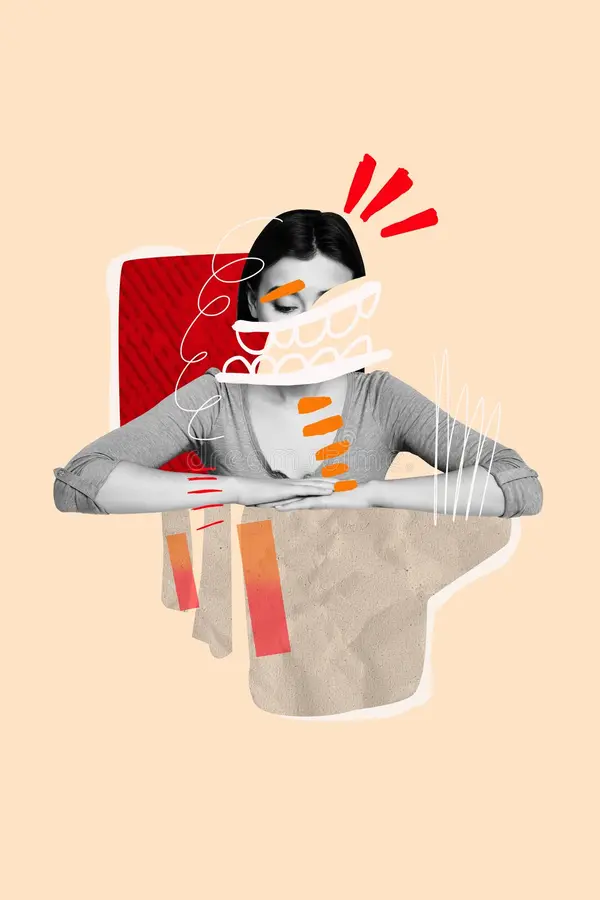

Types of Bullying:
Know It. Name It.
Stop It.

Bullying Isn’t Always What You Think It Is.

Bullying goes far beyond name-calling or playground fights. It shows up in quiet homes, crowded classrooms, corporate offices, and even through phone screens. And when we downplay it or pretend it’s not there, it only grows stronger.

At The Echo Movement, we’re committed to naming the different forms bullying can take — because you can’t fight what you don’t understand. Whether it’s sibling bullying that hides behind closed doors, subtle power plays at work, or the digital cruelty of cyberbullying, every version of it causes harm. And every one of them needs to be seen, talked about, and stopped.

Take a look at the types of bullying we’re shining a light on. Each has its own story, impact, and path toward healing.

Types of Bullying | Anti-Bullying Movement

Physical Bullying

What most people picture when they think of bullying. But this is just the surface. Physical bullying often escalates and can be a visible sign of deeper issues, like emotional distress or a lack of intervention.

Examples: Hitting, kicking, pushing, tripping, damaging belongings, and threats of violence.

Signs to Watch For:

  • Unexplained injuries
  • Lost or destroyed belongings
  • Fear of going to school or public places

Verbal Bullying

The kind of words that stay in your head years after they’re said. Verbal bullying often goes unreported because it doesn’t leave physical marks. But it can cut just as deep — impacting self-esteem, mental health, and emotional safety.

Examples: Name-calling, slurs, insults, mockery, and constant criticism.

Common Forms:

  • Body shaming
  • Racist or sexist remarks
  • Threats disguised as “jokes”

Social Bullying

The silent killer. Gossip. Exclusion. Making someone feel invisible. This form of bullying thrives in group settings — both online and offline. And because it’s often covert, it’s incredibly damaging and hard to detect.

Examples: Spreading rumors, intentional exclusion, manipulating friendships, or using social status to control others.

It looks like:

  • “You can’t sit with us” dynamics
  • Whispering and staring
  • Social media unfollows, blocks, or subtweets

Digital Bullying

Where the harm follows you everywhere — even home. Digital bullying happens around the clock, across devices, and its reach can be instant and overwhelming. A single post, message, or video can spread fast and far, magnifying the damage.

Examples: Harassment through texts, social media, DMs, public shaming, doxxing, impersonation, and spreading digital rumors.

Why it’s dangerous:

  • Anonymity lowers accountability
  • There’s no true “offline” escape
  • Harmful content can live online forever

Sexual Bullying

This one rarely gets talked about — but it’s real, and it’s damaging. Sexual bullying violates boundaries and can cause deep psychological trauma, especially in youth still forming their sense of self.

Examples: Unwanted touching, crude gestures or comments, sexual rumors, inappropriate jokes, sexting harassment, or pressuring someone sexually.

Important to know:

  • Often overlaps with sexual harassment
  • Can happen in schools, online, or even within peer groups
  • Needs swift intervention and support

Prejudicial Bullying

Targeting someone for who they are — their race, religion, gender, disability. This form of bullying is often rooted in systemic discrimination. It doesn’t just harm the individual — it reinforces societal divides.

Examples: Racist jokes, homophobic slurs, ableist taunts, or mocking someone’s culture or language.

Often disguised as:

  • “Dark humor”
  • “Just teasing”
  • “Freedom of speech”

Emotional Bullying

Undermining someone’s confidence through manipulation, exclusion, or shame. Emotional bullying is often subtle but deeply damaging — it chips away at self-worth and safety, one interaction at a time.

Examples: Guilt-tripping, silent treatment, spreading rumors, public humiliation, gaslighting, or excluding someone from a group or conversation.

Often disguised as:

  • “Just being honest”
  • “Don’t be so sensitive”
  • “They need to toughen up”

Relational Bullying

Undermining someone’s relationships, reputation, or social standing through exclusion, gossip, or manipulation. Relational bullying is a covert form of abuse — it isolates the target and erodes their support system, one whisper or cold shoulder at a time.

Examples: Backhanded compliments, silent treatment, rumor-spreading, “mean girl” behavior, cliques, triangulation, passive-aggressive group chats, or sabotaging someone’s connections behind the scenes.

Often disguised as:

  • They’re just being dramatic”
  • “I didn’t invite them because it’d be awkward”
  • “You’re imagining it”

Our Vision is Backed by Purpose, Not Profit.

We’re building the Echo Movement with the same bold energy you see in the world’s most forward-thinking platforms.

Why Naming All Types of Bullying Matters

Bullying Doesn’t Always Look the Way You Expect.

Bullying isn’t just one thing — it shows up in different ways, often hiding in plain sight. If we only focus on the most visible or extreme examples, we risk missing the subtle, everyday harm that so many people endure quietly.

When we take the time to name and understand each form of bullying, we start to see the full picture. That knowledge gives us the power to take action, to listen more closely, and to show up for those who might otherwise be overlooked.

Cyberbullying: The Silent Attack Behind the Screen

Cyberbullying

Cruelty behind the screen. Digital abuse doesn’t stop when you log off. From anonymous messages to viral attacks, cyberbullying invades safe spaces and can feel inescapable.
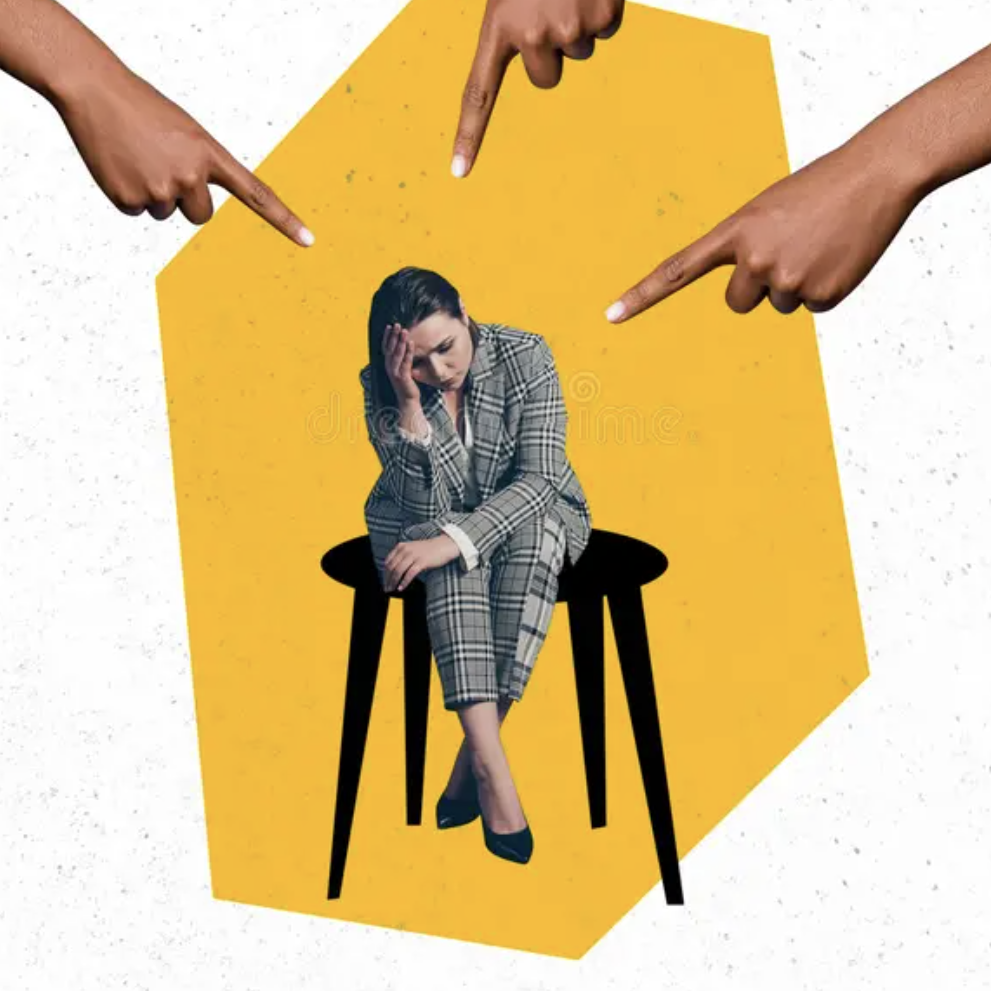
School bullying remains a serious and widespread issue affecting millions of students across the United States each year.

School Bullying

Where it often begins. From classrooms to playgrounds, school bullying can destroy confidence, impact mental health, and interfere with learning. No child should fear going to school.

Workplace Bullying

Toxic culture in professional clothing. Bullying at work looks like intimidation, gaslighting, exclusion, and power plays. It erodes self-worth, job performance, and mental health.
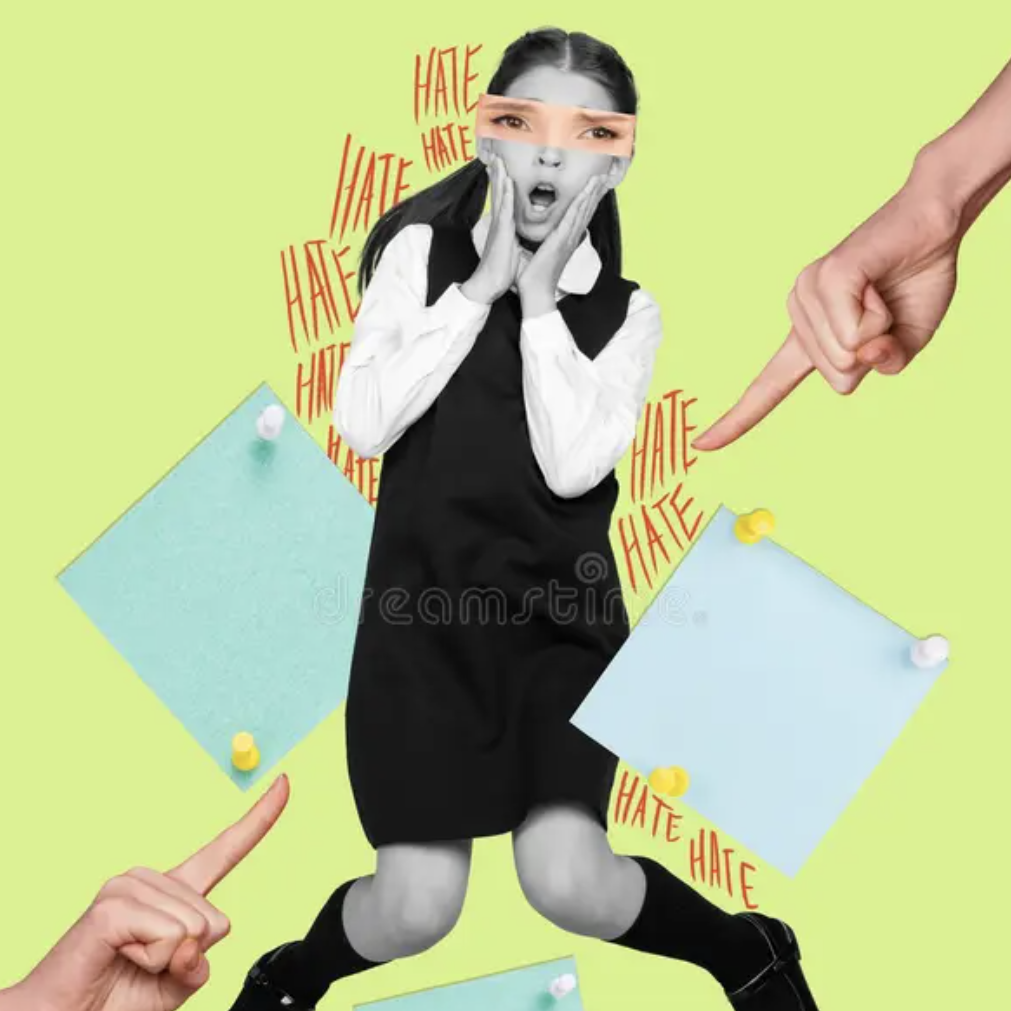
While often dismissed as harmless rivalry, sibling bullying is a serious and widespread issue that can have long-lasting effects on mental health and well-being.

Sibling Bullying

The hidden abuse at home. Often dismissed as “normal rivalry,” sibling bullying is a form of domestic violence that often goes unrecognized and can leave lasting emotional wounds well into adulthood.

Bullying in Healthcare

Bullying in Healthcare

The quiet crisis in care. Bullying in healthcare is widespread — from nurses belittled by coworkers to patients ignored or shamed, it causes real harm behind closed doors.

School Shootings

When safety breaks down. School shootings shatter communities and leave lasting trauma. Understanding when, where, and why they happen is essential to protecting students before it’s too late.

What You Can Do

Listen without judgment.

Don’t assume what someone’s going through based on what you can see.

Report and intervene.

Whether you’re a student, parent, or teacher — silence enables cruelty.

Educate others.

Share resources and start conversations that break the stigma around emotional and social bullying.

"Be kind for everyone you meet is fighting a hard battle."
A statue of Plato the philosopher
Plato
Philosopher